



Factors Affecting Generator Prices

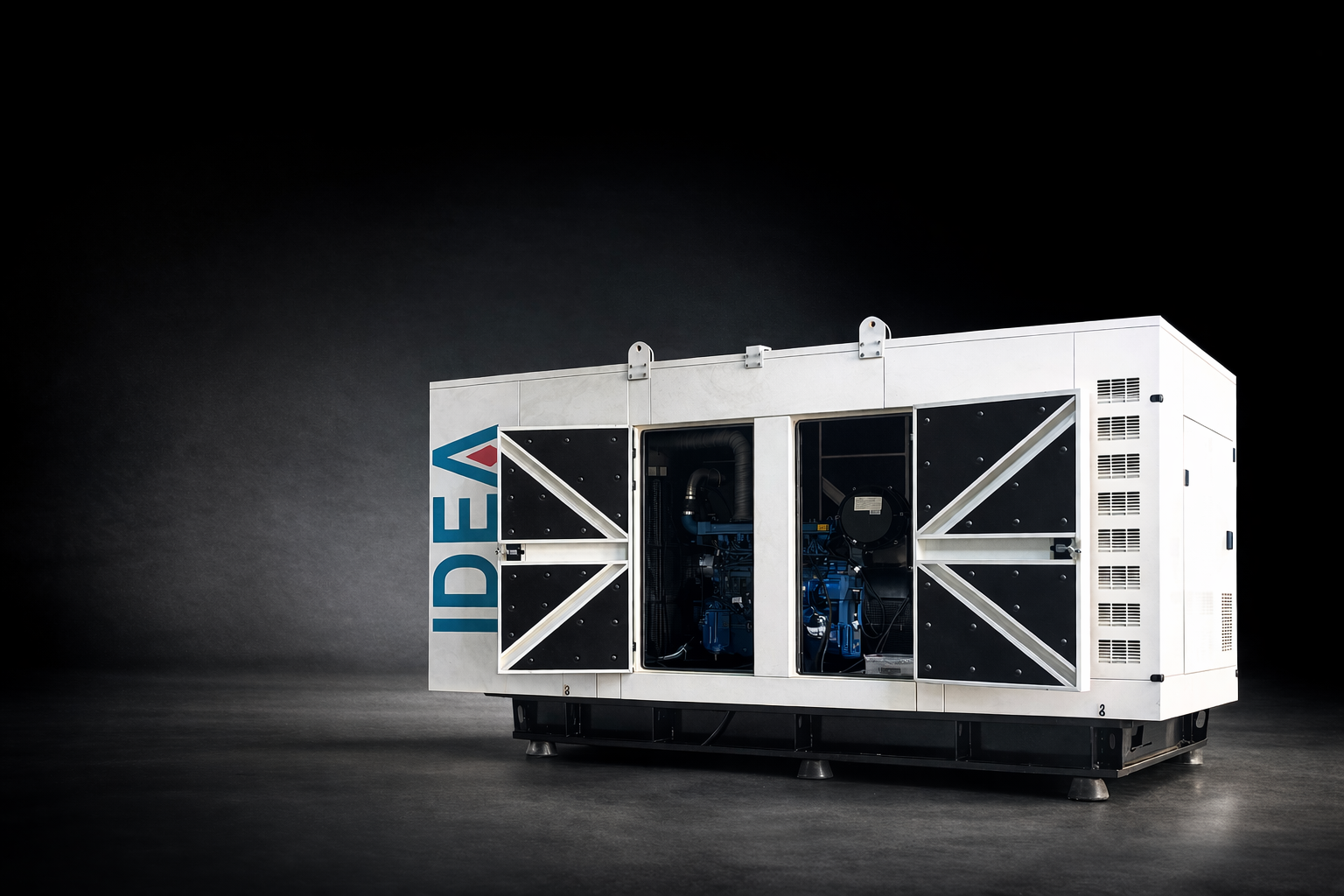
What Factors Affect Generator Prices?
Generator prices are shaped by a wide range of factors, from the required power capacity (kVA) to the type of fuel (diesel, gasoline, or natural gas), as well as brand quality and the level of automation. In addition, factors such as sound insulation, whether the unit is new or second-hand, and installation/service costs directly affect both the initial purchase price and long-term operating expenses.
1. Power Capacity (kVA)
The most important factor determining generator prices is power capacity. First, the required power capacity must be identified; because devices with insufficient capacity will be inadequate, while excessively high capacity will create unnecessary costs. Especially in industrial generators, it is observed that prices increase exponentially as the kVA value rises. Therefore, selecting the appropriate capacity for the intended use is a critical step in budget management.
2. Fuel Type: Diesel, Gasoline, and Natural Gas Generators
Another factor that plays a decisive role in pricing is the type of fuel. Diesel generators are generally more durable and long-lasting, so their initial investment cost may be higher; however, they offer advantages in the long term due to fuel efficiency. Gasoline generators are more affordable but are typically preferred for short-term and lower-capacity use. Natural gas models offer an environmentally friendly and economical option, but they may not be usable everywhere due to infrastructure requirements.
3. Brand and Build Quality
Brand and production quality are also important factors explaining price differences. Well-known and reliable brands may be offered at higher prices, but they provide confidence to users through warranty periods, service networks, and spare parts availability. Cheap but low-quality products may seem attractive in the short term, but can become more expensive in the long run due to maintenance and repair costs.
4. Additional Features and Equipment
The additional features of a generator also affect its price. For example, equipment such as automatic transfer switch (ATS), soundproof enclosures, and remote control features increase the cost of the unit. Especially for residential or office use, silent, enclosed models are more preferred, which leads to higher prices.
5. Installation, Transportation, and Service Costs
Finally, focusing only on the product price when purchasing a generator can be misleading. The total cost also includes installation, transportation, periodic maintenance, and service expenses. Therefore, all costs should be evaluated together during the decision-making process.
When the right analysis is made, selecting a generator that fits your needs will both protect your budget and ensure trouble-free use for many years. Getting expert support to determine the most suitable generator for your needs is the safest way to make the right investment.