



What is a Generator?

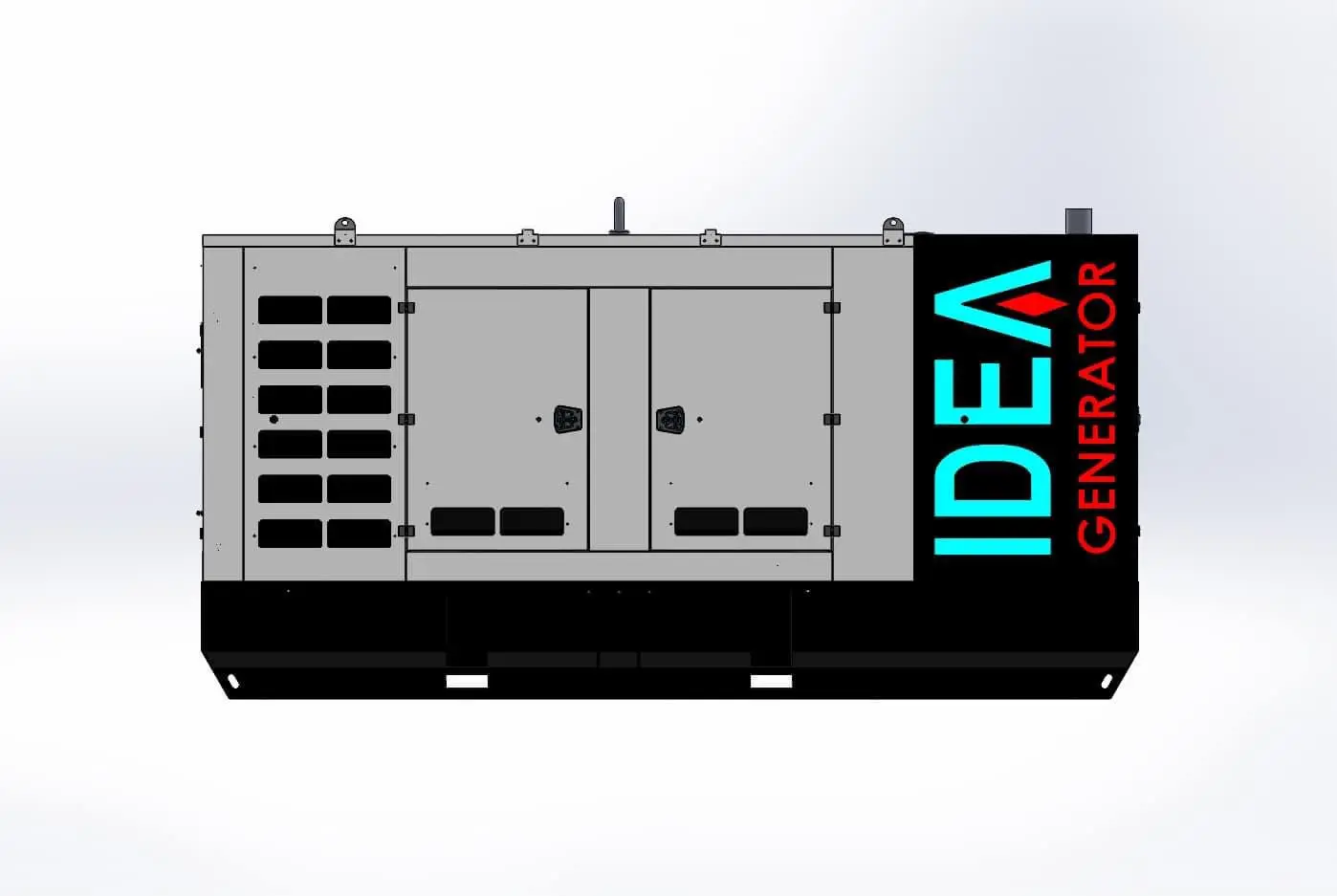
A generator is a device that converts mechanical energy into electrical energy to produce electricity. The primary function of a generator is to provide an uninterrupted power supply. Generators, which have become an indispensable part of modern life, are used as backup power sources during power outages or in areas without access to the electrical grid. Power failures can cause serious problems in places like hospitals, data centers, and factories where critical systems must remain operational. In such situations, generators activate to provide continuous power, ensuring uninterrupted operations.
Generators also make it possible to work in remote areas where there is no access to the electrical grid—such as construction sites, mines, farms, and campsites—by meeting their electricity needs. Moreover, generators are widely used in mobile events. In outdoor concerts, festivals, and sports events, generators supply the necessary energy for stages and equipment.
Generators consist of two main components: the engine and the alternator.
The engine of a generator typically runs on fossil fuels such as diesel, gasoline, or natural gas. It burns the fuel to initiate an internal combustion process, which produces mechanical energy. This mechanical energy is then transferred to the generator’s alternator.
The alternator is the component that converts the generator’s mechanical energy into electrical energy. It contains a rotating rotor and a stationary stator. The movement of the rotor cuts through the magnetic field of the stator, generating electricity through electromagnetic induction. This electricity is then delivered to the generator’s output terminals to power connected devices or systems.
Generators are produced in various capacities and specifications to meet a wide range of needs—from homes to large industrial facilities. Small portable generators can produce enough power to operate a few electrical tools, while large industrial generators can supply backup power to an entire factory or hospital.
Generators provide essential safety and convenience, especially in areas where power outages are frequent or continuous energy access is required. During emergencies, natural disasters, or planned outages, they ensure business continuity and comfort by supplying power.
A generator is a vital piece of technology that enables modern life and industrial activities to continue without interruption. Whether used at home or in an industrial facility, generators help ensure a constant supply of electrical power, making them indispensable.
For more information or to choose the right generator for your needs, you can contact our team of experts to find the most suitable solution and protect yourself from the negative effects of power interruptions.