



Generator Noise Levels

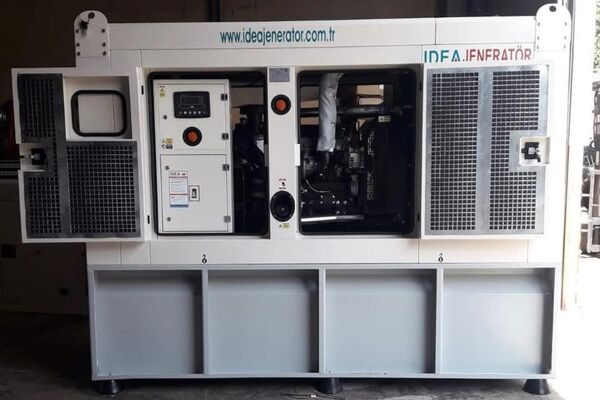
The noise level of a generator refers to the amount of sound it produces while operating. This level is measured in decibels (dB) and is usually stated in the generator’s technical specifications.
Especially in residential and quiet environments, a low noise level is an important factor for comfort and environmental sensitivity.
Modern generators are designed to produce less noise by incorporating sound insulation and vibration reduction technologies, allowing them to operate more quietly.
The impact of noise on human health should also be considered. Prolonged exposure to generator noise can lead to hearing loss, stress, and other health problems. Therefore, noise level is an important factor to consider when choosing a generator.
Other factors that affect the noise level of generators include the type of engine used, the size of the generator, and its operating conditions. Portable generators are generally smaller and quieter, while industrial models tend to produce higher noise levels. Thus, the most suitable model should be selected based on the intended application.
In conclusion, the generator noise level is a critical parameter in terms of user comfort and environmental noise pollution, and should therefore be carefully evaluated when making a selection.
Factors Affecting Generator Noise Level
- Operating Conditions: Generators running under improper or excessive load conditions make more noise.
- Environmental Factors: The installation area, weather conditions, and surrounding structures can influence noise levels.
- Operating Hours and Maintenance: Generators that run for long periods or lack maintenance tend to become noisier.
- Model Type: Open-frame or high-power generators generally produce more noise.
Noise Reduction Methods
Generator noise reduction methods are important for preventing noise pollution and maintaining an environmentally friendly living space. Here are some effective ways:
- Sound Insulation: Use acoustic enclosures with special insulation materials to contain sound. Thick curtains or sound-absorbing materials can help reduce noise emission.
- Sound Barriers: Installing soundproof cages or barriers around the generator can significantly reduce sound propagation.
- Low-Noise Generators: Choosing low-noise generators available on the market is one of the most effective solutions. These models produce less noise compared to traditional ones with the same power output.
- Vibration Isolation: Using vibration isolators beneath the generator helps reduce both sound and vibration transmission.
- Proper Placement: Positioning the generator away from living areas or inside insulated rooms limits noise spread.
- Routine Maintenance: Regular maintenance, replacement of worn parts, and lubrication help ensure quieter operation.
- Mufflers: Installing special exhaust silencers can further reduce generator noise.
Applying one or more of these methods can significantly lower generator noise levels and create a quieter working environment.