



Generator Installation

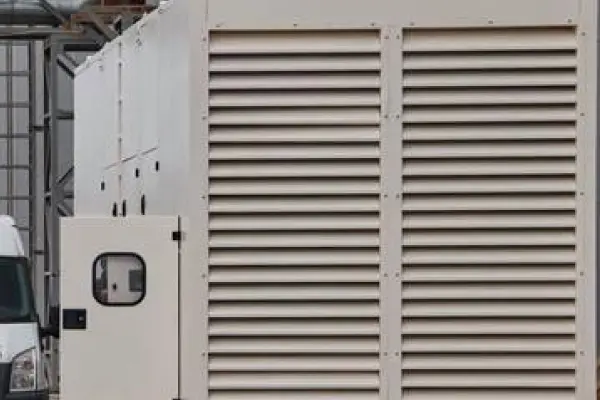
The correct installation of generators is critically important for safe and efficient use. The first step is choosing the generator appropriate to your needs.
One of the most important factors to consider during the selection of a generator is the power capacity. The power capacity determines which devices the generator can operate and is usually measured in kVA (kilovolt-ampere). To determine the capacity you need, you should calculate the total power consumption of all the devices the generator will support. Additionally, it is important to take into account not only the continuous operating capacity of the generator but also short-term power surges caused by sudden power demands. This ensures proper sizing of the generator and helps you select a generator that meets your needs.
Site selection is the next important step for generator installation. Factors such as the size of the area where the generator will be placed, ventilation requirements, and fuel access should be considered. Typically, generators are placed outside the building in a well ventilated, dry, and level area. This prevents the generator from overheating during operation and exhaust gases from entering the building. It is also important to leave sufficient space around the generator for maintenance and repair operations.
During installation, a qualified electrician must connect the generator to the building’s electrical panel. When the generator is integrated into the building’s electrical system, a device called a transfer switch is used. This switch ensures the generator automatically comes into operation when the grid power fails and safely shuts down when the grid power returns. Correct installation of the transfer switch is essential for the safety of both the generator and the building’s electrical system.
In addition to electrical connections, the grounding system of the generator must also be installed. Proper grounding of the generator is critical for both its safety and long service life. Incorrect or incomplete grounding may lead to generator failure and serious safety risks. Also, the cables and other electrical components of the generator should be protected from external elements and insulated with waterproof connections.
The fuel system installation must comply with safety standards. The fuel tank should be placed at a safe distance from the generator and must be easily refillable. It is also important to ensure that there is sufficient fuel for the generator to operate for an extended period. Fuel lines must be connected properly and safely, and regularly checked for leaks.
The exhaust system is another important element not to be overlooked during generator installation. Exhaust gases produced during generator operation should be safely directed away from the building and ventilation systems. Exhaust pipes must be heat-resistant and leak-proof, and carefully insulated to prevent harmful gases such as carbon monoxide from entering the building.
Once the generator installation is complete, it is necessary to proceed to the start-up and testing phase. First, the fuel system, electrical connections and exhaust systems of the generator are reviewed. Then the generator is started and tested under load. Load tests are important to verify whether the generator is operating at full capacity. During the test process, parameters such as the generator’s operating temperature, voltage and frequency should be monitored carefully.
After the tests are completed, personnel who will operate the generator must receive training on how to use it. This training enables them to learn the generator’s features, emergency procedures and basic maintenance steps.
Regular maintenance is required for the generator to operate reliably and for a long life. Maintenance operations should be performed at certain intervals depending on the generator’s operating hours and usage frequency. Basic maintenance steps such as oil and filter changes, fuel system inspection and battery condition should be carried out regularly. In addition, the electrical and fuel connections of the generator should be periodically checked and, when necessary, repairs or renewals should be carried out. For long-term use, the maintenance schedule recommended by the manufacturer should be followed and the authorized service should be contacted in case of any breakdown.
By following these steps, you can carry out the installation of the generator safely and efficiently and enjoy the comfort of uninterrupted power during power outages.