



Diesel Generator Fuel Quality

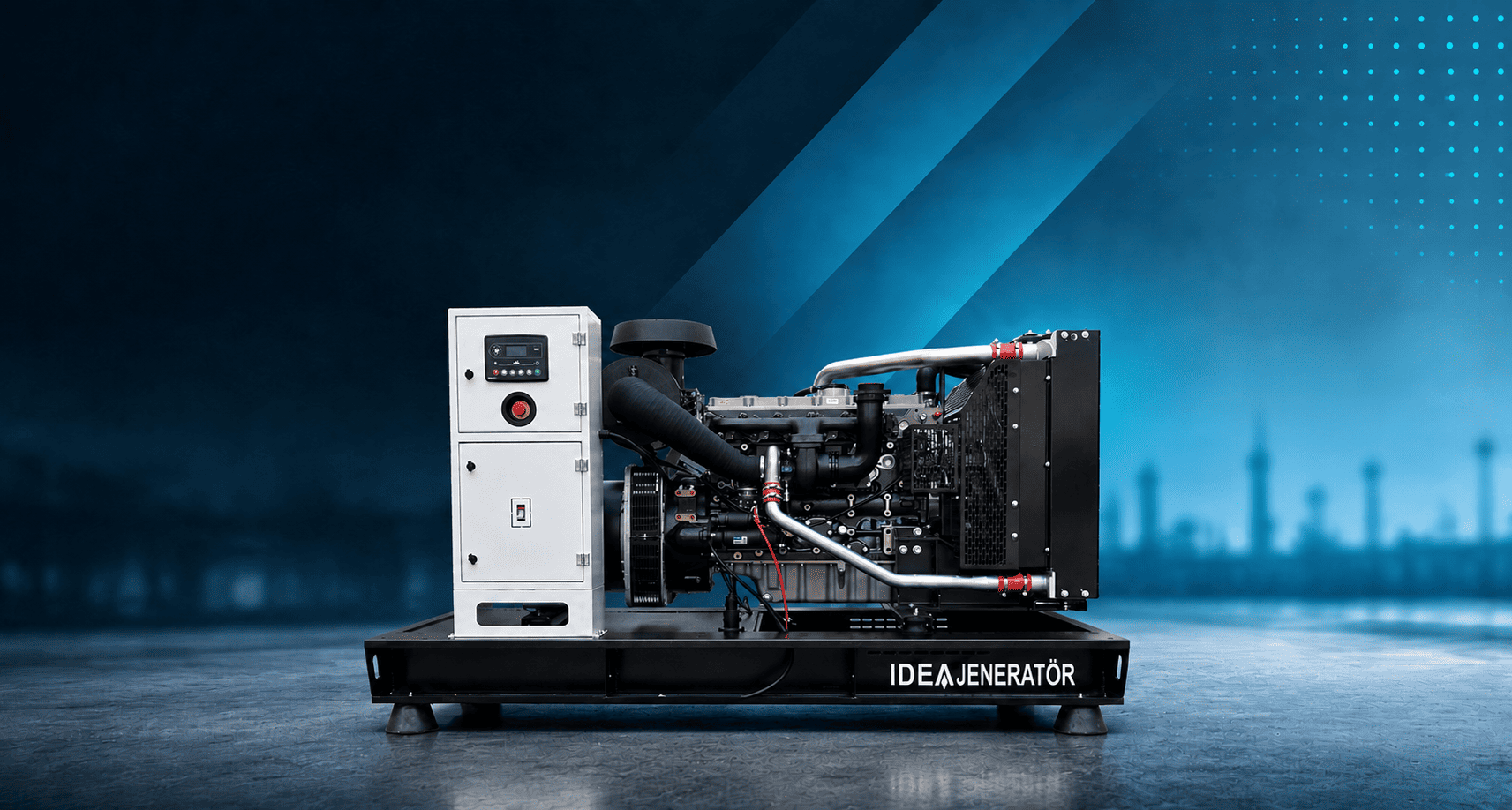
Diesel generators are the most critical safeguard for facilities and businesses in the event of power outages. However, a generator’s ability to operate reliably when needed cannot be attributed solely to the condition of its mechanical components. The quality and freshness of the fuel stored in the tank directly affect system performance. Diesel fuel that remains stagnant for long periods can gradually deteriorate chemically, creating the conditions for serious system damage.
Under ideal storage conditions, diesel fuel has an average shelf life of 6 to 12 months. This period may be shorter or longer depending on temperature fluctuations, environmental conditions, and storage quality.
Maintenance Steps to Keep Generator Fuel Fresh and Prevent Failures
Use Additives: Adding biocides (microorganism inhibitors) and antioxidants to the fuel helps prevent bacterial growth and fuel oxidation. This practice preserves fuel quality and can significantly extend its usable life.
Keep the Tank Full: Keeping the fuel tank at 80–90% capacity reduces the amount of air inside the tank. This minimizes the risk of condensation and water accumulation caused by temperature fluctuations.
Perform Regular Test Runs: Running the generator periodically—weekly or every two weeks for 15–20 minutes—allows the fuel in the tank to circulate through the filters and fuel lines, helping prevent deposits and buildup within the system.
Proper fuel management in diesel generators is a direct safeguard for equipment investments and operational continuity. Even the most advanced generator system can only be as reliable as the quality of the fuel in its tank.