



How Does Generator Start Operating

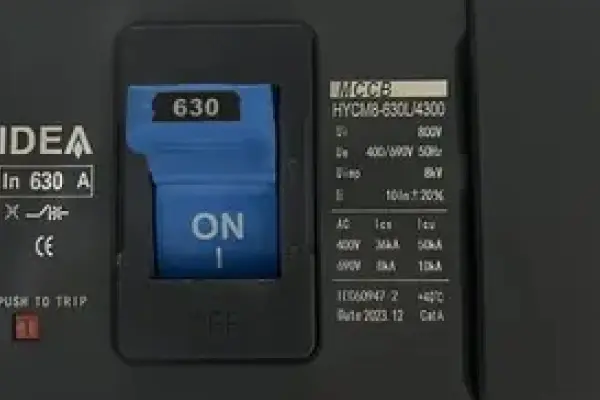
The activation of generators is a critical process to ensure an uninterrupted supply of electrical energy. This process is typically carried out using an Automatic Transfer Switch (ATS). The ATS detects power outages and enables the generator to start automatically. This technology plays a vital role, especially in hospitals, data centers, airports, and other facilities of critical importance.
When the power goes out, the ATS immediately activates and sends a start signal to the generator. Upon receiving this signal, the generator starts running and reaches full capacity within a certain time. This duration usually varies between a few seconds and a few minutes, depending on the type and size of the generator. Once the generator reaches full capacity, the ATS transfers the load from the main grid to the generator, ensuring an uninterrupted power supply during the outage.
When the main power returns, the ATS detects this and transfers the load back to the grid. During this process, the generator automatically shuts down and goes into standby mode until the next outage. This bidirectional function of the ATS makes the startup and shutdown of generators fully automatic, eliminating the need for human intervention and ensuring the continuity of business operations.
This automatic activation process of generators provides significant advantages in terms of reliability and efficiency. Automatic systems minimize human error and ensure rapid response during emergencies, guaranteeing the operation of critical infrastructures. Thus, financial losses and safety risks caused by power outages are minimized. Especially in locations where continuous power supply is essential, automatic start mechanisms of generators are indispensable for providing a reliable and uninterrupted energy source.